

When Architecture Prioritizes Human Mental Well-Being
“A healing living experience, combined with sustainability, is what ultimately determines the success of a high-end design project.”

Against the backdrop of modern society facing urbanization, fast-paced lifestyles, and declining mental well-being, architecture is being called upon to rethink its approach. For architect Pham Thanh Truyen, design is no longer simply about form-making or solving functional requirements, but has become a means of caring for people in a profound and sustainable way. From the perspective of “design for well-being,” he believes the architecture of the future should focus on its ability to heal, nurture emotions, and enhance quality of life, rather than chasing short-lived aesthetic trends.
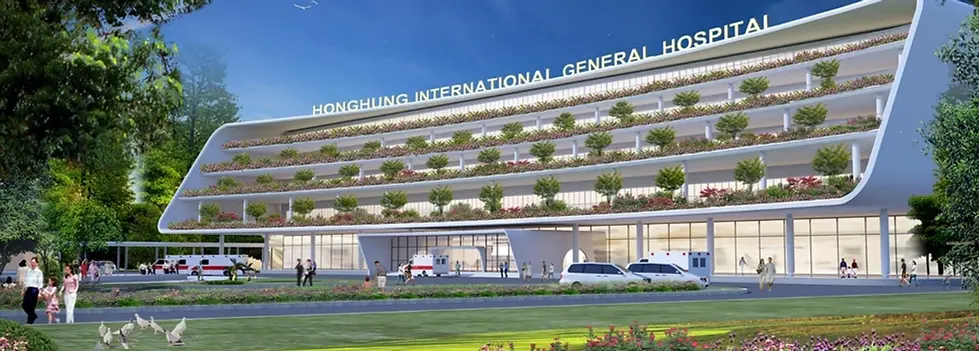
Human-centered architecture and the shift from form to lived experience
According to architect Pham Thanh Truyen, 2026 marks an important turning point for architecture, as ostentatious visual values gradually lose their appeal. Instead, architecture is returning to its fundamental role: serving people, both physically and mentally.
For many years, numerous buildings have been evaluated primarily through imagery, scale, or their visual “impact.” However, reality shows that such spaces can quickly become outdated, difficult to operate, and less likely to create a lasting sense of connection for their users. In his view, human-centered architecture is not a temporary trend, but a necessary adjustment that brings architecture back to its true nature.
Within this approach, people are no longer merely “end users” placed into a predetermined space, but become the center of the entire design process. Architects need to consider psychological states, daily habits, biological rhythms, and emotional needs across different user groups. Living spaces therefore need to be personalized, flexible, and sufficiently nuanced to adapt to changes over time.
Architect Pham Thanh Truyen believes that as society develops more rapidly, people are increasingly vulnerable to stress and imbalance. In this context, architecture cannot simply provide shelter from the elements; it needs to become a living environment that helps people rediscover a sense of peace. Natural light, ventilation, human-friendly materials, connections with nature, and spatial organization all play important roles in influencing mental well-being.
According to him, the architecture of the future is not about creating monumental icons, but about the ability to provide comfort, safety, and healing in a quiet yet enduring way.

User experience, sustainability, and technology as supporting tools
In his professional practice, architect Pham Thanh Truyen emphasizes that user experience is a consistent consideration behind every design decision. However, experience here is not limited to convenience or an immediate sense of comfort; it needs to be closely connected with sustainability.
A building with a good user experience is one that can accompany its users over the long term, with reasonable operating costs, minimal negative environmental impact, and without placing pressure on their physical or mental well-being. According to him, if experience is created solely through expensive materials or complex technologies, its value becomes fragile and difficult to maintain.
At Cát Mộc Group, projects are approached through Evidence-Based Design. Decisions concerning lighting, ventilation, spatial proportions, and materials are informed by research into user behavior, psychology, and physiology. The goal is to create spaces capable of naturally supporting recovery, rest, and the restoration of energy.
Technology, particularly AI, is regarded as a powerful supporting tool in this process. AI can simulate environmental impacts, optimize technical solutions, and manage design data with greater accuracy. However, according to architect Pham Thanh Truyen, technology is not the center of design; it is simply a means of realizing humanistic values.
He believes that excessive reliance on technology can easily make architecture feel cold and disconnected from human emotions. Conversely, when used appropriately, technology enables architects to make clearer, evidence-based, and more transparent decisions, ultimately improving quality of life in a substantive way.
The balance between science, technology, and emotion is therefore the key to creating architecture that is both technically effective and deeply human.


Featured Projects by:
Phạm Thanh Truyền + Cát Mộc Group
The long-term value of architecture in contemporary life
From a professional perspective, architect Pham Thanh Truyen makes a clear distinction between a project that is “fit for purpose” and one that “truly creates value.” A building may fully satisfy functional, aesthetic, and budgetary requirements, but its true value only emerges when the space continues to provide users with a sense of health, comfort, and peace after years of operation.
According to him, value-creating architecture is architecture that takes responsibility for the future. This responsibility is not limited to conserving resources or reducing environmental impact, but also includes creating living environments that allow people to slow down, connect more deeply with themselves, and build stronger relationships with their surroundings. These values are often invisible in photographs and can only be fully understood when people actually live in the building.
For this reason, he places particular emphasis on fields such as healthcare architecture, therapeutic hospitality, and sustainable living models. These directions require patience, specialized knowledge, and a responsible professional mindset. Yet in his view, they are essential pathways for Vietnamese architecture to create a lasting impact.
As the design industry increasingly needs voices with greater depth, professional platforms such as VMARK Design Award provide an important space for dialogue, where sustainable design values can be recognized and shared. Beyond honoring projects, VMARK creates opportunities for architects to exchange professional perspectives, engage in critical discussion, and contribute to the broader development of Vietnam’s design environment.
For architect Pham Thanh Truyen, this is also an opportunity for design philosophies centered on health, people, and social responsibility to receive the recognition they deserve, gradually contributing to a more humane and sustainable architectural landscape for the future.
Master Architect Pham Thanh Truyen is an experienced professional with significant influence in Vietnam’s architecture and design industry, particularly in architecture focused on mental and emotional healing. With many years of teaching experience at Ho Chi Minh City University of Architecture, he has not only inspired generations of young architects but has also left his mark through outstanding built projects. The intersection of theoretical foundations and practical thinking has shaped his distinctive design philosophy: architecture for community well-being.
Company:
Cát Mộc Group
Website:
Explore More Featured Projects by:
Phạm Thanh Truyền + Cát Mộc Group
Huynh Trung Dung General Hospital
Family Doctors Hospital Da Nang
Hong Lam General Hospital
Can Tho Children's Hospital